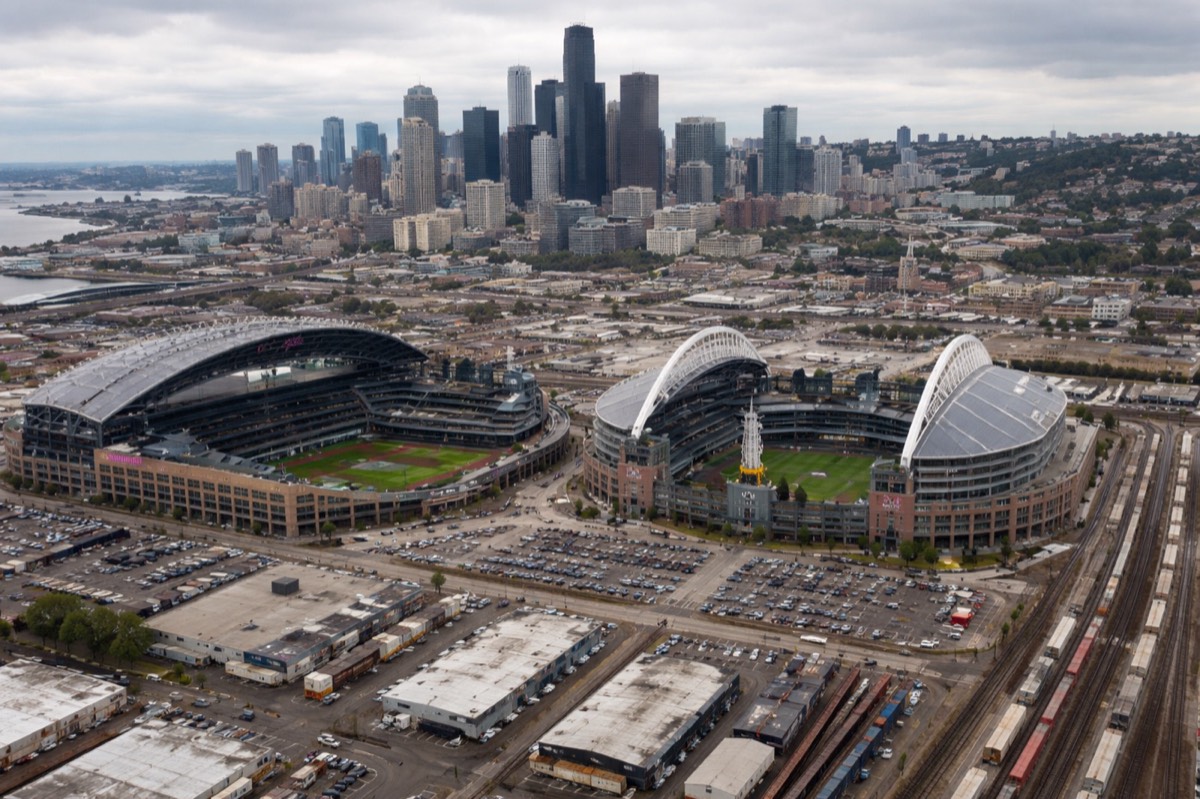
The morning starts the same way for a lot of people who own SODO Seattle real estate near the train. You finish your coffee, step out onto a quiet warehouse block, and walk five minutes to the SODO Station while the rest of the city is still untangling its commute. By the time a neighbor in a car-dependent suburb has merged onto I-5, you are already reading on the platform, headphones in, downtown four minutes away. That small daily ritual is also one of the strongest selling points your home has.
Here is the short version for sellers. SODO Seattle real estate located within a short walk of the SODO Station on the 1 Line tends to draw a wider, more motivated buyer pool than comparable homes farther from transit. Because the buyers who choose this neighborhood are transit-first by nature, proximity to the light rail is not a footnote in your listing. It is the headline.
Why Light Rail Shapes SODO Seattle Real Estate
SODO is not a traditional residential neighborhood, and that is exactly why transit matters so much here. The streets are lined with warehouses, the stadiums anchor the skyline, and the homes are mostly lofts, condos, and townhomes carved out of an industrial setting. People do not move to SODO for a leafy cul-de-sac. They move here for access.
The SODO Station sits on Sound Transit's 1 Line, the same spine that runs from Northgate through the University of Washington, downtown, the stadium district, and on to Sea-Tac Airport. From SODO, downtown is roughly five minutes and the airport is about 25. For a buyer who works in a high-rise on Third Avenue or flies for work twice a month, that is not a convenience. That is the whole reason they are looking here instead of in Fremont or Wallingford.
When you sell, you are really selling that math. A home that lets someone skip the parking garage, the bridge backups, and the airport rideshare line is solving a daily problem. Sellers who understand this frame their listing around the lifestyle the train makes possible, and they tend to see the payoff in buyer interest.
What the Transit Numbers Mean for SODO Sellers
SODO carries a Transit Score of 64 and a Bike Score of 62, according to Walk Score. Those numbers describe a neighborhood built for getting around without a car as the default. For a seller, they translate into a buyer pool that screens listings by transit access before almost anything else.
Consider how a typical SODO buyer searches. They are often a first-time buyer or a downsizer who has already decided that a 20-minute walk to a station is too far. They filter for homes within a few blocks of the 1 Line, then compare what is left. If your home clears that filter and a similar one across the tracks does not, you have a structural advantage before anyone schedules a showing.
This is also why I encourage SODO sellers to put precise transit detail in writing. Vague phrases like "close to transit" do little. A specific claim does more: a six-minute walk to the SODO Station, a five-minute ride to Pioneer Square, a single-seat trip to the airport. Buyers extract those facts and remember them.
Quick Facts: SODO Transit at a Glance
- Station: SODO Station, Sound Transit 1 Line
- To downtown: about 5 minutes
- To Sea-Tac Airport: about 25 minutes
- Transit Score / Bike Score: 64 / 62
- Also nearby: SoDo Busway Metro routes, I-5 and I-90 interchange, SR 99
If you are weighing a sale and want to know how your specific block reads to a transit-minded buyer, I am happy to walk the route with you and point out what to highlight. A quick conversation often surfaces selling points owners overlook.
Staging and Marketing SODO Seattle Real Estate Around the Train
Most buyers meet your home on a screen first, so the light rail story has to live in your photos and copy, not just in the showing. In a neighborhood where the streetscape is industrial rather than picturesque, the marketing carries weight that curb appeal would carry elsewhere.
Start with the listing description. Lead with the walk time to the SODO Station and the destinations it unlocks, then layer in the loft features buyers love: high ceilings, big industrial windows, and open floor plans. The transit hook gets them in the door, and the architecture closes the deal.
Photography should reinforce the same idea. A clean shot of the building entrance with a clear sense of the short walk to the platform tells the story without a word. Twilight exterior images that catch the energy of the stadium district can work in your favor too, because that energy is part of why transit-oriented buyers pick SODO in the first place.
Open house timing is its own quiet advantage. The SODO Track murals, more than two miles of work by over 60 artists, and the steady rhythm of Mariners, Seahawks, and Sounders events bring people through the district who would not otherwise wander in. Hosting an open house on a game-day weekend can put your listing in front of foot traffic that the train delivers for free.
Pricing a Transit-Connected SODO Home
SODO's residential market moves more slowly than Seattle's hottest neighborhoods, with homes commonly sitting around five weeks before they sell. In a market like that, pricing accuracy matters more than in a 13-day neighborhood such as Columbia City, where buyer urgency can absorb a small mistake. Here, an overpriced listing tends to sit.
Transit proximity should inform your price, but it cannot replace good comparables. The most reliable approach is a comparative market analysis, a side-by-side look at recent sales of homes with a similar floor plan, finish level, and walk time to the SODO Station. A unit two blocks from the platform should not be priced against one a long walk away, even in the same building type.
The goal is to price at or just below the most recent comparable sales so your home generates early interest, which is your best path to multiple offers. When you can support that price with a genuine transit advantage, the number feels justified to buyers rather than aspirational. That credibility is what keeps a SODO listing from stalling.
Putting the Light Rail to Work When You Sell
SODO Seattle real estate sits at an interesting moment. The district is gradually shifting from pure industrial toward mixed-use, the tasting-room blocks keep growing, and the One Seattle Plan keeps the neighborhood in the public conversation. Through all of that change, the one constant buyers keep returning to is access, and the light rail is the clearest expression of it.
As a seller, your job is to make sure the train shows up everywhere a buyer looks: in the listing description, in the first photos, in the open house plan, and in a price that the transit advantage can stand behind. Do that, and you turn a five-minute walk into a genuine competitive edge.
I have spent more than 30 years helping South Seattle owners read their own neighborhoods, and SODO rewards sellers who understand what their buyers actually want. The light rail is not background. For the people shopping here, it is the point.
Frequently Asked Questions
Does light rail proximity add value to SODO Seattle real estate?
Yes. SODO Seattle real estate within a short walk of the SODO Station tends to draw a wider buyer pool and stronger interest than comparable homes farther from transit. Buyers who choose SODO are often transit-first, so a walkable connection to the 1 Line is one of the features they value most.
How far is the SODO Station from most residential buildings?
Most loft and condo buildings in the core SODO corridor sit within a five to ten minute walk of the SODO Station on the 1 Line. The station provides direct service to downtown in about five minutes and to Sea-Tac Airport in roughly 25 minutes, which is a meaningful selling point for commuters and frequent travelers.
Should I mention the light rail in my SODO listing?
Yes. Walk time to the SODO Station, downtown and airport travel times, and the car-light lifestyle should appear in the listing description and the first set of photos. Many SODO buyers screen listings by transit access first, so leading with it helps your home surface in the right searches.
What type of buyer is drawn to transit-connected SODO homes?
Transit-connected SODO homes attract pragmatic buyers who often work downtown or travel frequently, value time over yard space, and may be priced out of Capitol Hill or Ballard. Many are first-time buyers or downsizers who want a walkable, low-maintenance lifestyle near the stadium district.
Does game-day traffic hurt the value of SODO homes near transit?
For most SODO buyers, the stadium energy is part of the appeal rather than a drawback. Mariners, Seahawks, and Sounders events bring foot traffic, restaurants, and a sense of place. Buyers who choose SODO generally weigh that energy as a feature, and the same light rail line that serves commuters also moves event crowds efficiently.
How can I find out what my SODO home is worth in today's market?
The most accurate way is a comparative market analysis that looks at recent sales of homes with a similar floor plan, finish level, and walk time to the SODO Station. I prepare these for SODO owners and can walk you through what your specific building and location support in the current market.